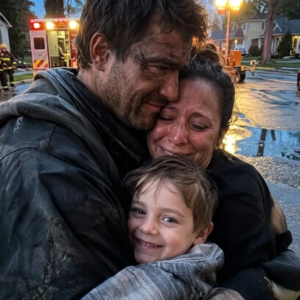
After an “electrical fire” destroyed the home of a young couple, Tom and Sarah, our small community rallied around them. Donations poured in, sympathy overflowed, and the couple became local heroes of tragedy. Everyone believed their sob story—everyone except me, Eleanor, a retired math teacher with a sharp eye for details and a mind trained to spot inconsistencies.
From my window next door, I watched their tears and televised interviews with quiet suspicion. I’d heard their late-night fights, seen their sudden luxuries, and noticed things that didn’t add up. Logic told me something was off. And then, while watching their TV interview, I saw it—the expensive designer purse Sarah carried, one she never owned before the fire. My instincts screamed that their “devastation” was an act.
Days later, their fundraiser had grown to over fifty thousand dollars, and an insurance payout was on the way. They smiled too easily for people who had lost everything. I kept my notes—dates, receipts, and small observations—until the day an insurance investigator knocked on my door. The couple followed him in, trying to dismiss me with a smirk. “She’s old,” Tom said. “Probably asleep through the whole thing.”
But I wasn’t asleep. I handed the investigator my logbook, every inconsistency laid out in neat, mathematical order. Numbers don’t lie—and neither did I. The truth unraveled quickly after that. Tom and Sarah’s fraud was exposed, and the community’s pity turned to outrage. As they packed up to leave town, I returned to my bird-watching, satisfied that justice, like math, always finds its solution.