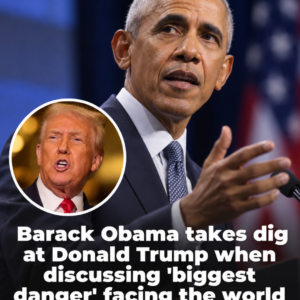
Recent polling suggests Donald Trump’s second term has not won over the American public, despite his claims of success. Multiple surveys, including AP-NORC, Quinnipiac, Gallup, Pew Research, and Reuters/Ipsos, show approval ratings hovering between 36–40 percent, with roughly 59–62 percent disapproving of his performance. Key policy areas mirror the decline: the economy, immigration, trade, and foreign policy all sit near or below 38 percent approval. His aggressive tariff policies, expanded immigration enforcement, and controversial foreign ambitions — including repeated threats to annex Greenland — have drawn domestic and international criticism. Even within Republican circles, enthusiasm has softened, with growing concern over his use of executive power and handling of global conflicts. While Trump publicly insists his numbers are “great,” most major polling organizations show consistent downward trends.
International tensions and domestic political fallout have amplified public unease. Reports that Trump instructed military planners to prepare for a potential Greenland invasion sparked alarm across NATO allies, with officials warning such action could dismantle the alliance entirely. Meanwhile, declining approval has fueled speculation of heavy Republican losses in upcoming midterms. Additional polling shows three-quarters of Americans — including a majority of Republicans — oppose Trump pursuing a third term, despite allies pushing constitutional changes to allow it. Across surveys, Americans express fatigue with political volatility, economic strain from tariffs, and perceived overreach of presidential authority. Altogether, the data paints a picture of a presidency marked not by expanding support, but by widening resistance at home and growing tension abroad.