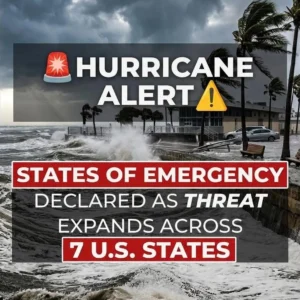
From hazy, dust-filled skies to swelling rivers and uneasy seas, the Caribbean and the southeastern United States are experiencing an unusual overlap of powerful natural events. What started as typical seasonal weather has evolved into a complex pattern driven by multiple forces occurring at once. While each event—heavy rain, Saharan dust, seismic activity, or tropical development—is not uncommon on its own, their timing together has amplified concern. Early in the week, a small earthquake near Trinidad added to regional anxiety, serving as a sharp reminder of how quickly conditions can shift. At the same time, persistent rainfall across parts of Central America caused flooding in vulnerable, low-lying areas, disrupting daily life and forcing some residents to seek safer ground as already saturated landscapes struggled to absorb more water.
Compounding these challenges, a thick plume of Saharan dust spread across parts of the Caribbean, dulling skies, reducing visibility, and raising health concerns for people with respiratory conditions. Officials issued air-quality advisories while transportation sectors monitored conditions closely. Offshore, meteorologists are tracking Tropical Storm Flossie and other developing systems in the Atlantic, noting that warm ocean waters could support further strengthening. The greatest concern lies in the cumulative strain of these events unfolding simultaneously, stretching emergency services and testing preparedness. Authorities are urging residents to stay informed, follow official guidance, and remain prepared, as awareness and coordination will be essential during this unusually active and unpredictable period.