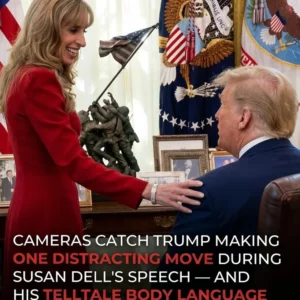
Rumors recently spread online claiming that former President Donald Trump had an embarrassing accident during a White House press conference, after a video clip showed him abruptly ending a meeting and reporters quickly leaving the room. Social media users speculated that unusual reactions from people nearby and the sudden conclusion of the event suggested something awkward had occurred. The clip quickly went viral, with many online commenters confidently repeating the claim and joking about the situation, despite having no solid proof. As often happens online, speculation spread faster than facts, turning a short moment from a routine political event into a trending topic driven largely by humor and assumptions.
However, fact-checkers and official sources later clarified that the rumors were false. A White House spokesperson denied the claim, and independent fact-checking organizations confirmed that while the video itself was authentic, there was no evidence to support the accusation. The sudden end of the press event had nothing to do with any alleged incident, and the online reaction was simply another example of how quickly misinformation can gain traction once a rumor begins circulating. The situation also highlights how easily short video clips can be misinterpreted or exaggerated on social media, reminding viewers to question viral claims and wait for verified information before accepting dramatic conclusions. In the end, what became a widespread online joke turned out to be nothing more than speculation amplified by the internet’s tendency to run with sensational stories.