During my sophomore year of college, I donated one of my kidneys to my best friend Melissa after she was diagnosed with kidney failure. At the time, it never felt like a sacrifice—it felt like love. We had been inseparable since freshman orientation, sharing late-night study sessions, dreams about the future, and the kind of friendship that felt unbreakable. When doctors confirmed I was a match, I immediately volunteered, believing that saving her life was simply what family does for each other. After graduation, though, life took an unexpected turn. I became engaged to my longtime boyfriend, Daniel, and Melissa was supposed to stand beside me as my maid of honor. But as the wedding approached, something changed. They spent more time together helping plan the celebration, and eventually the truth surfaced: Melissa and Daniel had fallen in love. Within months they were married. The betrayal was devastating. I left town, focused on building a new life, and eventually dedicated my career to leading a nonprofit that funded scholarships for students pursuing healthcare careers. Over time, the pain softened into a quiet memory, like an old scar that no longer hurt every day.
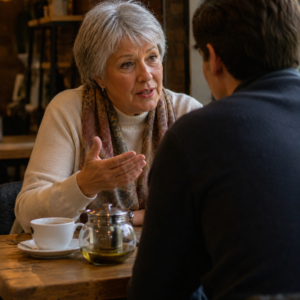
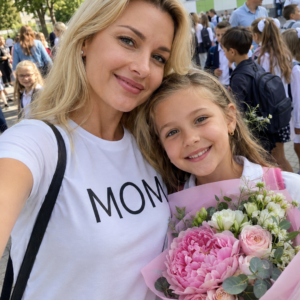
Nearly two decades later, a young student named Emily walked into my office asking for a reference for one of our foundation’s scholarships. When she mentioned her mother’s name—Melissa—I felt the past rush back all at once. Emily explained that her mother had recently passed away and had left behind a letter for me. In it, Melissa apologized for the betrayal that had ended our friendship and wrote about how the kidney I gave her allowed her to live long enough to raise her daughter. She said she had spent years wanting to say sorry but never found the courage. Emily told me she hoped to become a doctor someday, inspired by the story of someone who had given her mother a second chance at life. Reading that letter brought tears I didn’t expect, but it also brought something else—peace. I signed the scholarship reference and wished Emily success in her studies. In that moment, I realized that even painful chapters can lead to something meaningful, and that sometimes the greatest gifts continue changing lives long after they are given.