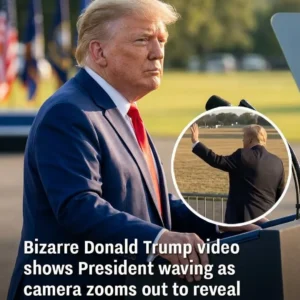
Donald Trump’s aide Natalie Harp has faced strong criticism after an AI-generated image appeared on Trump’s Truth Social account showing the president with the late Dolly Parton. The image quickly drew attention online, with critics calling it “creepy” and questioning why an AI recreation involving a deceased celebrity was shared at all. Parton’s reported death on Aug. 25 prompted an outpouring of tributes from fans who remembered her decades-long career, charitable work, and efforts to stay outside partisan politics. Trump later spoke warmly about Parton, describing her as a “great person” and saying her loss felt like losing “a member of the family.” Parton had previously explained that she avoided political divisions because she wanted fans from across the political spectrum to feel welcome.
The controversy intensified because of Harp’s close role in Trump’s communications operation. She became known as the “human printer” after reportedly carrying a portable printer during Trump’s 2024 campaign and providing him with printed news and social media material. Reports later said her responsibilities expanded to include posting on Trump’s Truth Social account. After the Dolly image appeared, some social media users blamed Harp for helping create or publish it, while others argued that the criticism was unfair because there was no confirmed public evidence that she personally created the image. The reaction has opened a broader conversation about AI-generated images of deceased public figures and whether families should have a say before such images are shared publicly. For many fans, the debate is ultimately about respect—and where the line should be drawn when technology recreates someone who can no longer speak for themselves.