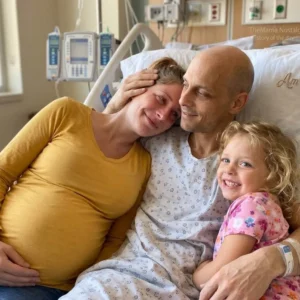
After Fiona Lowe’s death, Chad Lowe and Kim Painter chose privacy over constant public updates, sharing only a few photographs and brief messages while asking for prayers. Fiona, 13, had been remembered not only as Chad’s daughter but as a girl with passions, friendships, and everyday family traditions. Chad had once described being a father to three daughters as “such an incredible privilege,” recalling hikes, bike rides, sunset photos, and the familiar negotiations over screen time. Fiona also loved dance, and her teacher Kendra Andrews later remembered her “beaming bright smile” and the dedication she showed while working on a solo. Outside the family, Fiona’s school community offered meal trains, fundraising help, and counseling, but Chad and Kim declined the meal trains and GoFundMe plans, choosing to keep their support system small. That decision quietly highlighted an important question: who was still close enough to help when the family wanted privacy?
One answer was Rob Lowe. The brothers had a relationship built over decades, with Chad previously explaining that they could go months without speaking and still reconnect as though no time had passed. Their bond also carried into their work on 9-1-1: Lone Star, where Chad said their scenes drew on a lifetime of shared memories. After Fiona’s death, Rob and other members of the Lowe family rallied privately around Chad and Kim rather than turning their grief into a public campaign. Rob’s son, John Owen Lowe, later shared Emily Dickinson’s Hope Is the Thing With Feathers in an Instagram Story as a quiet tribute. Fiona’s sister Mabel also honored her through childhood photographs, while grandfather Chuck Lowe shared a simple poolside image. Together, those gestures revealed a family coping in different ways—but with one common thread: keeping Fiona’s memory close while allowing Chad and Kim to decide who could come inside their circle.