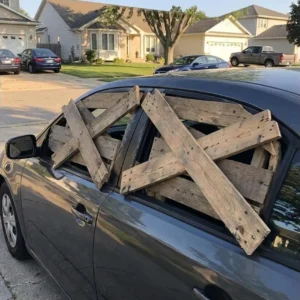
When my sister offered to sell me her neglected old car for a token amount, I saw it as a project rather than a gift. The vehicle had been sitting untouched for years, sagging on flat tires and wearing a hood mottled with rust. She presented it as though she were doing me a favor, but I knew she simply wanted it off her hands. Still, I accepted the deal, imagining what it could become with the right care.
I threw myself into the restoration, investing time, passion, and nearly five thousand dollars into transforming the wreck into something beautiful. Fresh paint, new wheels, a complete interior overhaul—every inch of it reflected my work. When it finally rolled out of the garage looking brand new, I felt a swell of pride. It wasn’t just a car anymore; it was a piece of me.
That pride shattered one morning when my sister stormed in demanding the car back. Her husband’s vehicle had broken down, she said, and because she had never finished the paperwork, the car was technically still hers. She insisted that she had every right to reclaim it. My parents backed her, urging me not to make a fuss, as though my investment—money and effort—meant nothing at all.
For a moment, I considered calling the police, but I stopped myself. Instead, I decided to handle things on my own terms. If she wanted the car that badly, she could have it—but not without understanding exactly what “symbolic price” truly meant. Sometimes, the best revenge isn’t loud or dramatic; it’s simply letting someone realize the cost of taking advantage of you.