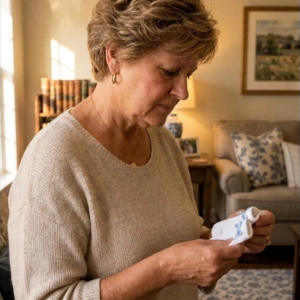
I met my birth mother when I was twenty-one, carrying a lifetime of questions and a fragile hope that I finally belonged somewhere. She welcomed me with tears and apologies, and soon I was living in her large, quiet house with her husband, a powerful lawyer who watched me with careful eyes. She spoke often about making up for lost time, about adding my name to her will so I would never feel abandoned again. But before anything could be finalized, her husband insisted on a DNA test. When the results came back negative, everything changed. The warmth disappeared overnight. He called me a liar, a mistake, a threat. She stopped defending me. Within weeks, I was asked to leave. I slept in shelters and on friends’ couches, trying to understand how belonging could be taken away so quickly.
Two years later, I learned she had died suddenly under “unknown circumstances.” Then one afternoon, her husband showed up, frantic and unhinged. He confessed through tears that he had tampered with the DNA test. He admitted he was afraid—afraid I would inherit part of the estate, afraid the truth would cost him control. The guilt had been eating him alive, especially after her death, because she had planned to acknowledge me publicly. He handed me documents she had written in secret, letters calling me her child regardless of blood. In that moment, I understood that family is not proven by science alone, and that truth, even delayed, has a way of resurfacing. I lost years to lies, but I gained something powerful: the certainty that I was never wrong for wanting to belong.