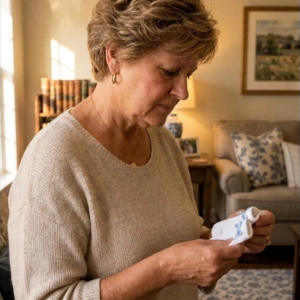
At nineteen, I found myself homeless and struggling to survive when a kind, elderly woman took me in. She had been abandoned by her biological sons, left alone in a world that seemed to have forgotten her. She hired me as her caregiver, and over the months, our relationship grew into something far deeper than employment. She treated me like family, teaching me how to cook, care for her home, and navigate life with dignity. A year later, she formally adopted me, making me her daughter in every sense that mattered. When she passed, she left me everything—her home, her savings, her belongings—all the things she had worked her whole life to accumulate. I was grief-stricken but honored to inherit her trust and legacy.
Her biological children, however, were furious. They accused me of being a gold digger and immediately filed a lawsuit, dragging my name through the mud. I was shocked when the lawyer revealed a crucial fact: my adoptive mother had rewritten her estate years ago, carefully documenting her intentions, down to every last signature, witnessed and notarized. She had anticipated their resentment and ensured that her choice was legally undeniable. Sitting in the courtroom, I finally understood the depth of her love and wisdom. She hadn’t just given me material security—she had taught me a priceless lesson: family is defined not by blood, but by loyalty, care, and the bonds we nurture. Her trust in me was a reminder that love and integrity endure, even when others refuse to understand.